Electromagnetic compatibility testing verifies two things: that a product does not emit more interference than the limits allow, and that it keeps working when exposed to the fields and disturbances it will meet in service. Commercial, automotive, military and aerospace programs each follow their own standards, with different frequency ranges, detectors and test levels. Labs must produce repeatable, defensible results while keeping test times reasonable, and design teams need fast feedback long before formal compliance testing.
For emissions, an EMI test receiver applies the standardized bandwidths and peak, quasi-peak and average detectors to conducted and radiated measurements. FFT time-domain scanning, as on the 3916, evaluates many frequencies in parallel and shortens long quasi-peak scans considerably. During development, a signal analyzer with EMI bandwidths and detectors, combined with near-field probes, helps engineers locate and fix emission sources on the bench before the product goes to the chamber.
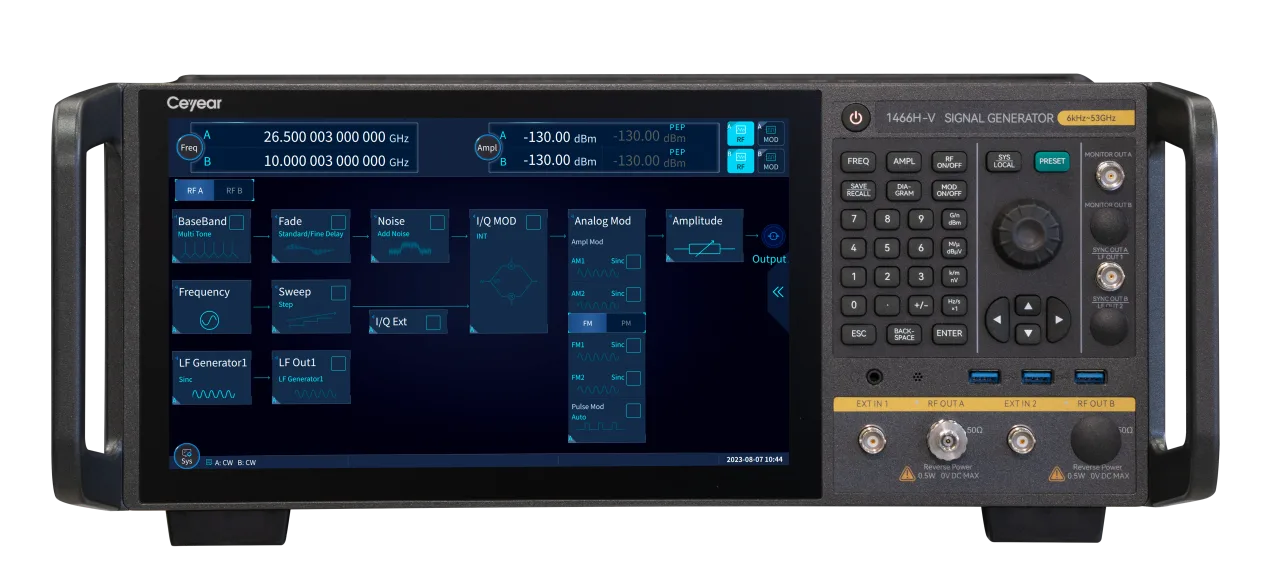
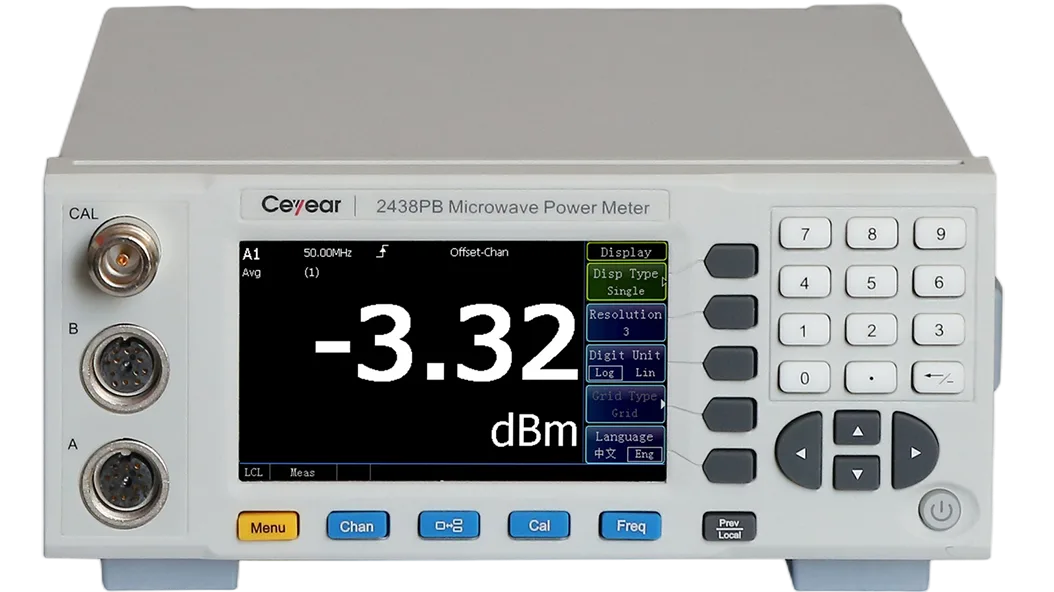
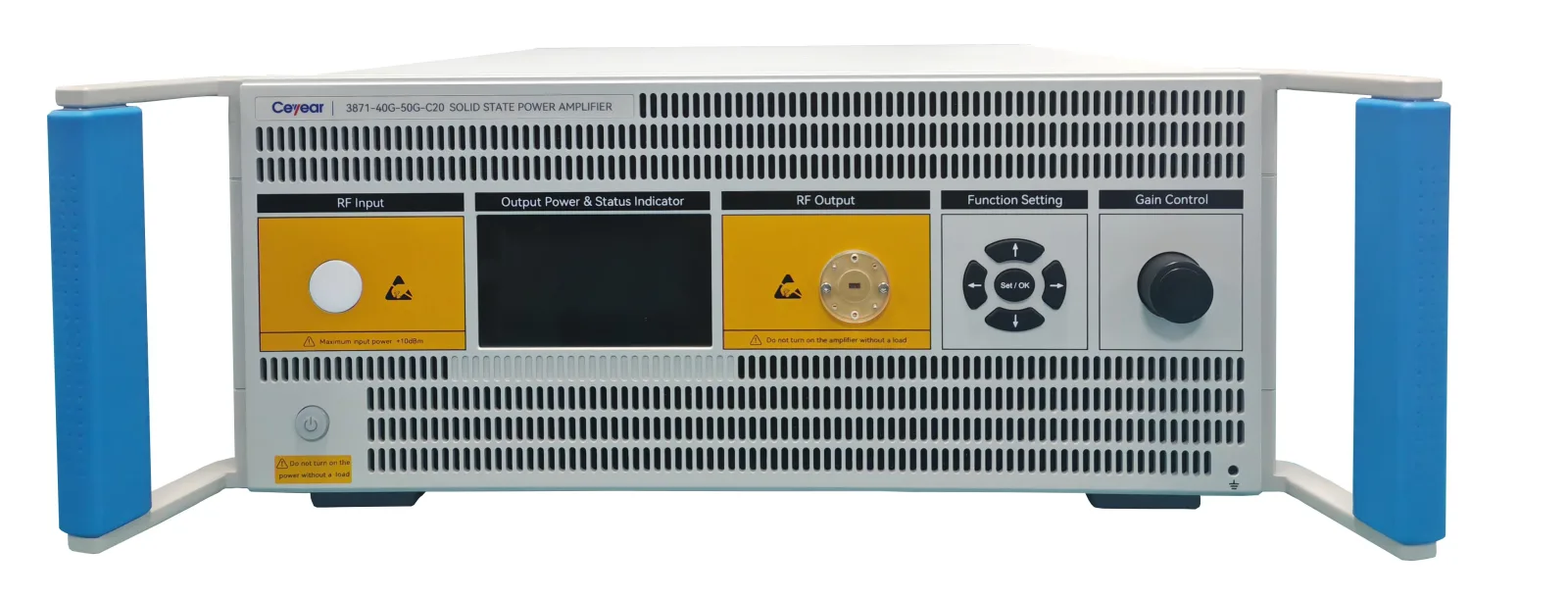
For radiated immunity, a signal generator produces the modulated test signal and a broadband solid-state power amplifier raises it to the level needed to create the required field strength through an antenna. Power sensors and directional couplers monitor forward and reflected power to level the field and protect the amplifier. Broadband amplifiers such as the 3871 series, available in bands up to 40 GHz and beyond, cover both commercial and higher-frequency military and aerospace immunity requirements.