Skip to content
SeaGOAT Electronics logo

Microwave & Millimeter-Wave Components

Passive and active coaxial and waveguide parts for RF test setups

2 product families

2 instrument families

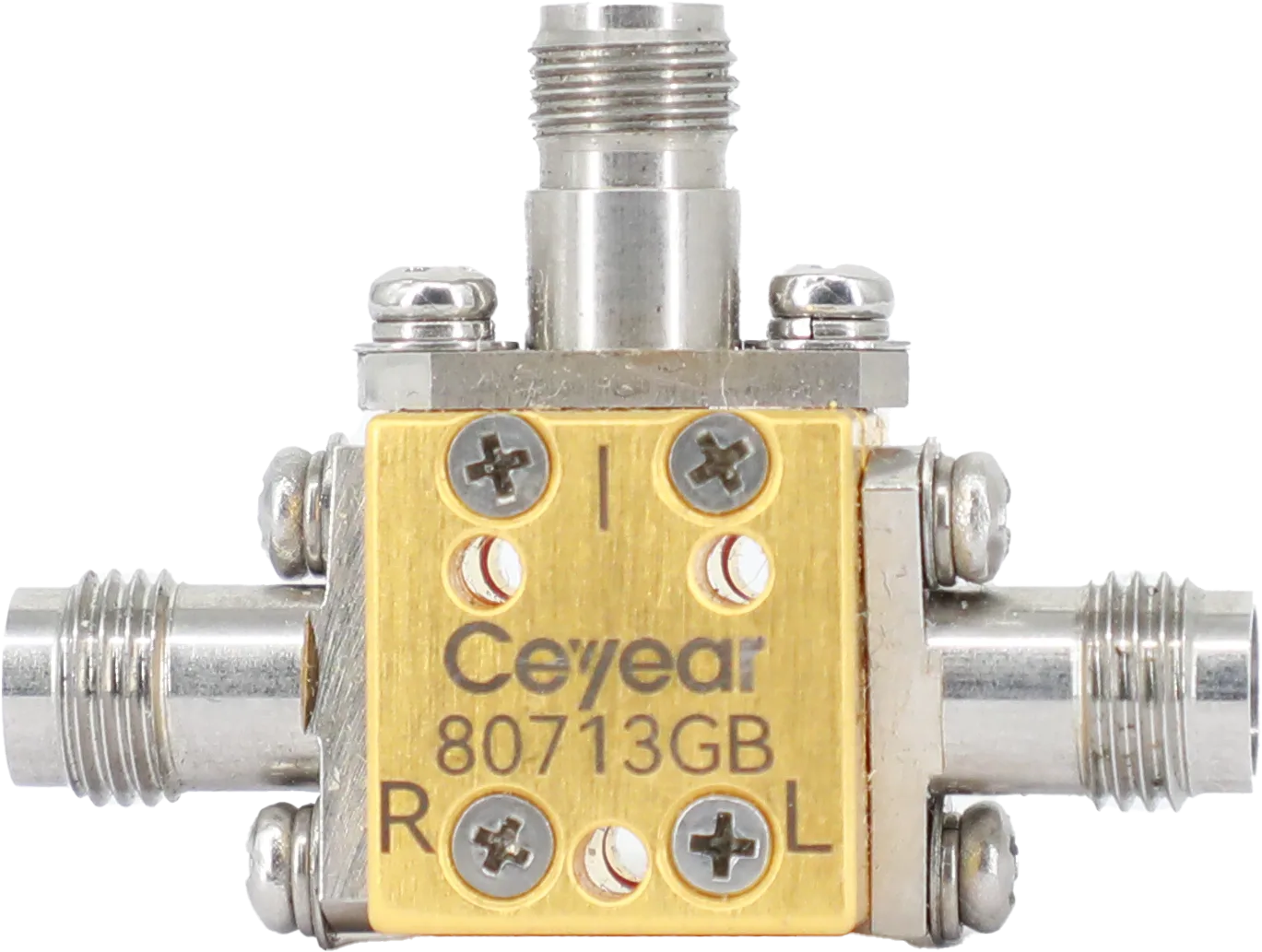
  • 80713GB double-balanced mixer
    Microwave & Millimeter-Wave ComponentsComponent

    Active Microwave and Millimeter-Wave Components

    Active components

    Active components: mixers, detectors, low-noise and driver amplifiers, electronic switches, YIG filters and millimeter-wave frequency multipliers up to 220 GHz.

    View details
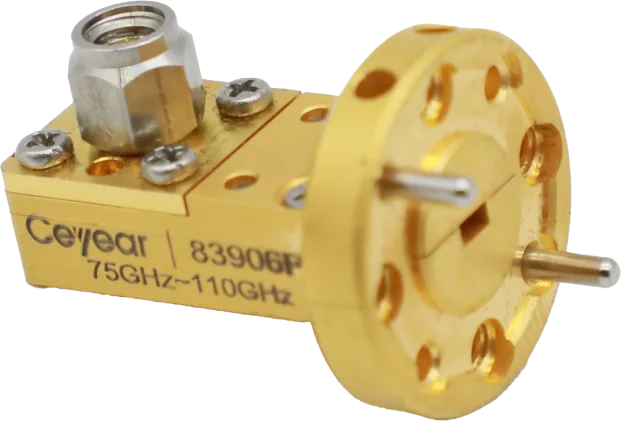
  • 83906P waveguide-to-coaxial adapter, 75 GHz – 110 GHz
    Microwave & Millimeter-Wave ComponentsComponent

    Passive Microwave and Millimeter-Wave Components

    Passive components

    Coaxial and waveguide passive components from: adapters, loads, attenuators, switches, couplers, DC blocks and calibration standards, with waveguide parts up to 1.1 THz.

    Frequency
    DC – 1.1 THz
    View details

About Microwave & Millimeter-Wave Components

Every RF and microwave test setup relies on components between the instrument and the device: adapters to move between connector families, attenuators to set safe levels, loads to terminate unused ports, DC blocks to protect instrument inputs, and switches to automate routing. Active components such as mixers, amplifiers and detectors extend frequency coverage, raise signal levels or convert RF power to a measurable voltage. Their match, loss and repeatability directly affect measurement uncertainty.

Component range covers passive parts, including coaxial adapters, waveguide-to-coaxial adapters, loads, calibration kits, attenuators, switches and DC blocks, up to 67 GHz in coaxial form and up to 1.1 THz in waveguide. Active parts include mixers, broadband solid-state amplifiers and detectors. Coaxial interfaces span 7 mm, Type-N, 3.5 mm, 2.92 mm, 2.4 mm and 1.85 mm. The components are intended for measurement and testing, communications, and aviation and aerospace equipment.

How to choose

  1. 01

    Interface and frequency rating

    Choose components rated for the full frequency range and with the same connector family as your instruments and cables. Using a lower-frequency connector anywhere in the chain limits the whole setup, and above about 67 GHz waveguide becomes the usual medium.

  2. 02

    Match and loss

    Every adapter and attenuator adds mismatch and insertion loss. Compare VSWR or return loss and insertion loss across the band, and minimize the number of adapters in front of the device under test.

  3. 03

    Power handling

    Attenuators, loads and switches must tolerate the highest average and peak power they will see, especially after a power amplifier. Check ratings and derating with temperature before connecting high-power sources.

Frequently asked questions

Request a Consultation

Can 3.5 mm, 2.92 mm and SMA connectors be mated together?

Yes, 3.5 mm, 2.92 mm and SMA are mechanically compatible, as are 2.4 mm and 1.85 mm. However, SMA connectors have looser tolerances and can damage precision connectors, so inspect them carefully or use a sacrificial adapter on instrument ports. The usable frequency of a mixed pair is limited by the lower-rated connector.

When do I need waveguide components instead of coaxial ones?

Coaxial connectors become increasingly lossy and fragile at millimeter-wave frequencies, and above about 110 GHz there is no practical coaxial option. Waveguide offers lower loss and higher power handling in a defined band, such as WR-10 for 75–110 GHz. Waveguide-to-coaxial adapters connect the two worlds where an instrument port is coaxial.

How do I request a quotation for components?

Send a list of the components you need through the contact form, with type, connector family and gender or waveguide band, frequency range, power rating, quantity and destination country. SeaGOAT's sales team reviews the list and replies with a quotation or with questions to confirm part details and compatibility.