On a production line, test is about throughput and consistency as much as accuracy. Every second of test time multiplies across thousands of units, and every reconnection or manual step introduces variability. Engineers have to define tests that catch real defects, such as poor solder joints, detuned filters or damaged connectors, without rejecting good parts, and keep the measurement system stable across shifts, operators and stations.
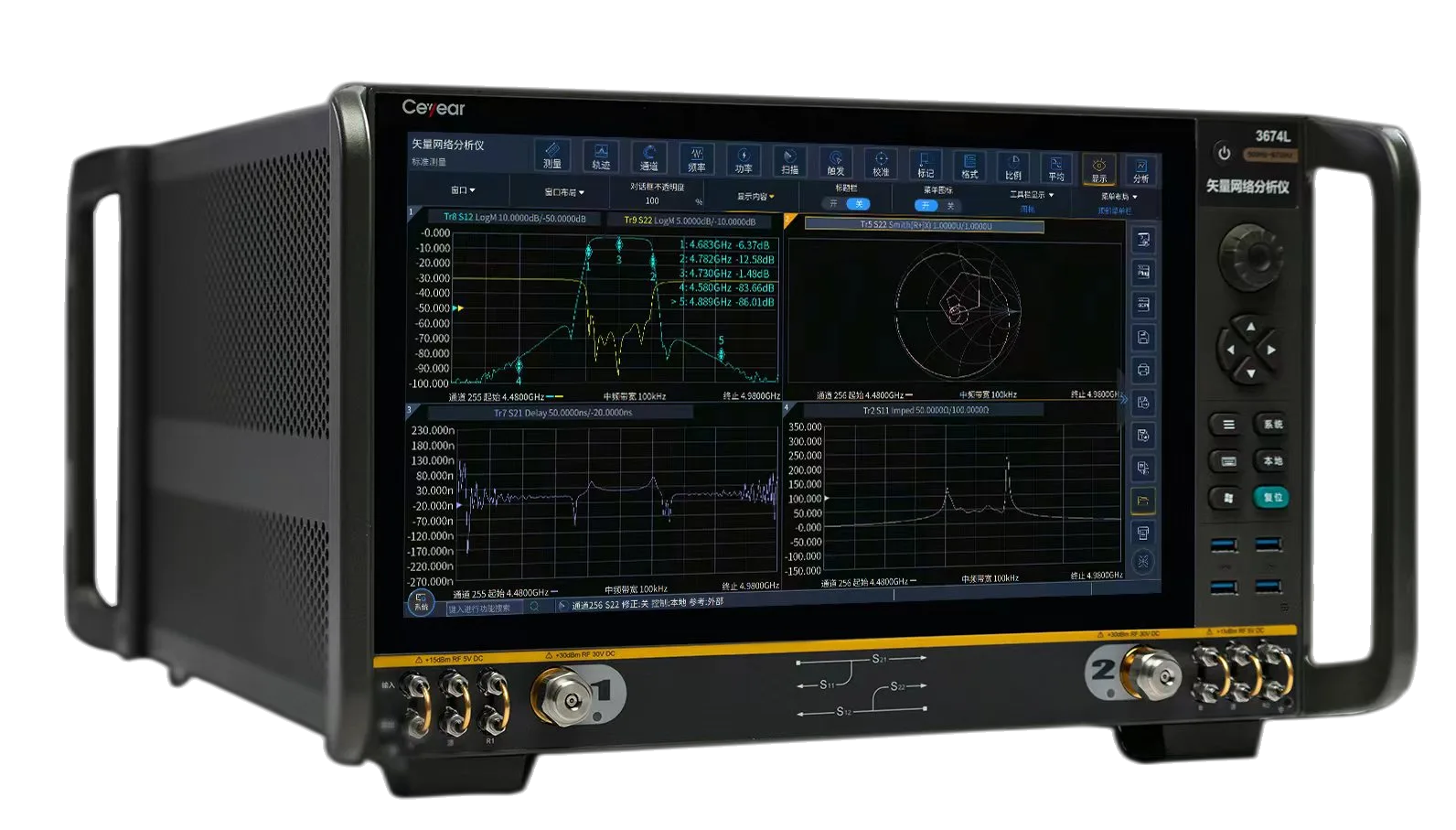
Multiport vector network analyzers measure all S-parameters of multiport and differential devices with a single connection, and electronic calibration modules recalibrate a station in a fraction of the time of a mechanical kit while reducing operator error. Limit lines and pass/fail tests simplify decisions on the line, and remote control interfaces such as LAN, GPIB and USB let the instruments run inside automated test software with results logged for traceability.
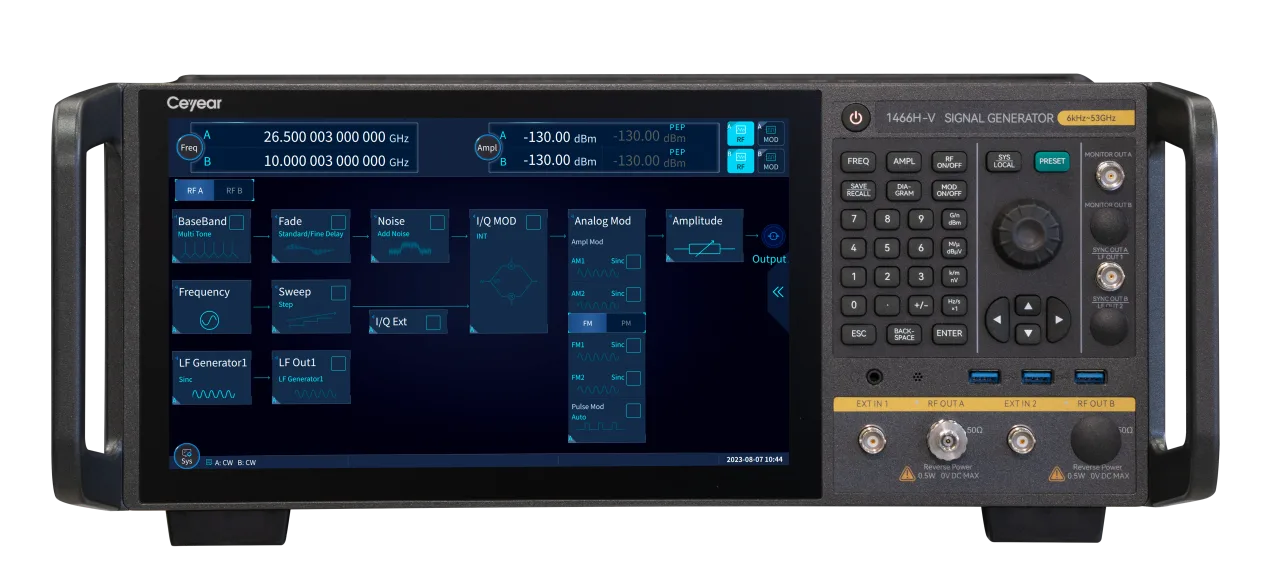
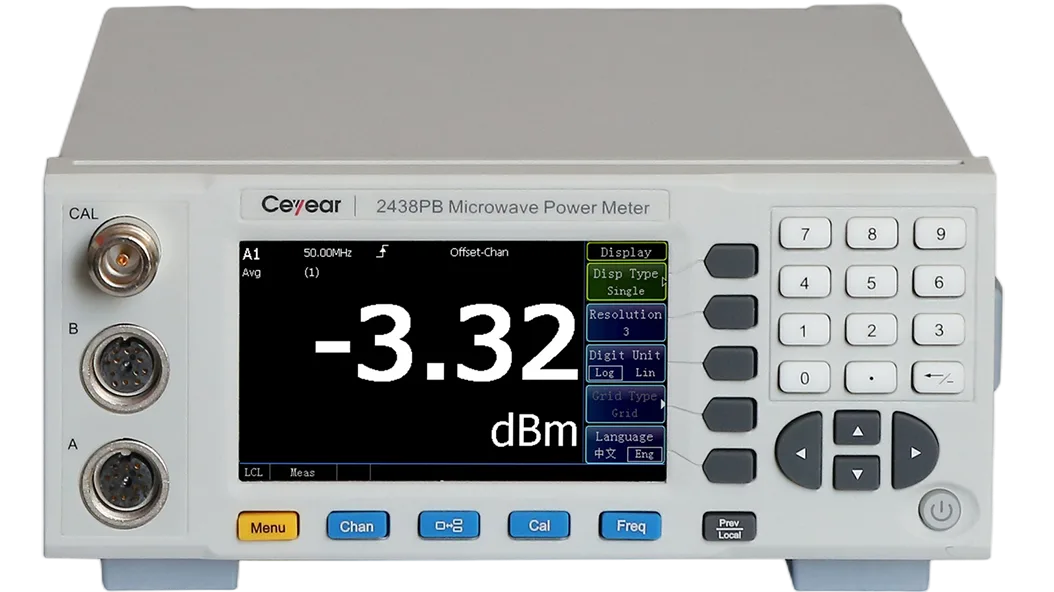
Beyond RF parameters, finished products need functional checks. Signal generators provide the stimulus for receiver and sensitivity tests, power sensors verify transmitter output against specification, and spectrum analyzers check for harmonics and spurious emissions before products leave the factory. Oscilloscopes with deep memory and serial bus decoding support board bring-up, power-supply ripple checks and debugging of failures found at end-of-line test.