RF and microwave design is a cycle of simulation, prototyping and measurement, and the measurement step decides whether a design really meets its targets. Engineers must verify that filters hit their passband and rejection, amplifiers deliver gain with good match and linearity, and antennas radiate where intended. As frequencies rise into the millimeter-wave range, small details such as connector repeatability, cable flexure and fixture effects grow into significant sources of error that must be controlled.
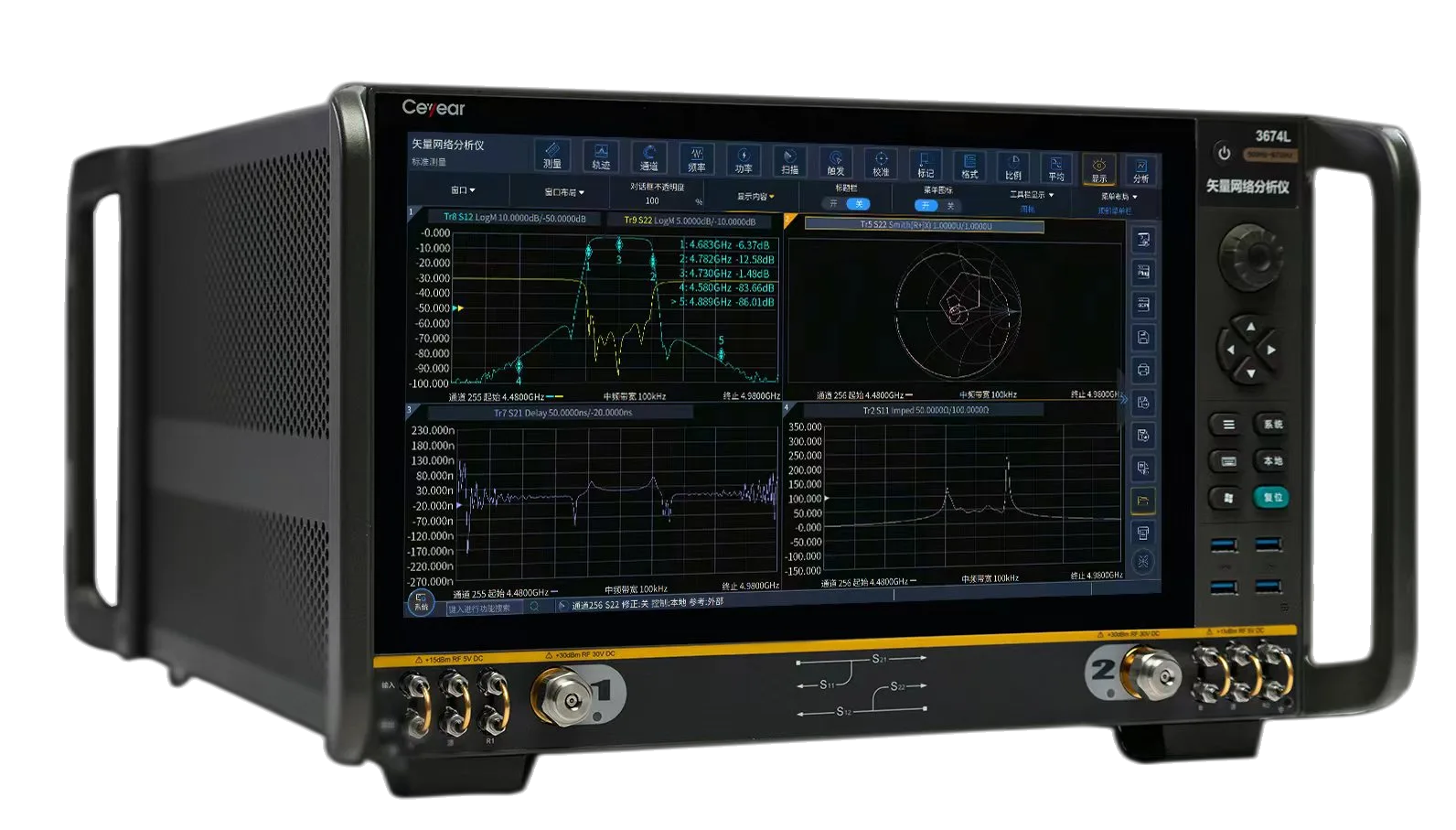
The vector network analyzer is the central instrument of the RF lab. With a proper calibration kit it measures S-parameters, group delay and impedance, and with options it adds time-domain analysis, gain compression, mixer measurements and noise figure in a single connection. De-embedding and fixture removal move the reference plane to the device itself, which is essential for on-board and on-wafer components that have no coaxial connectors.
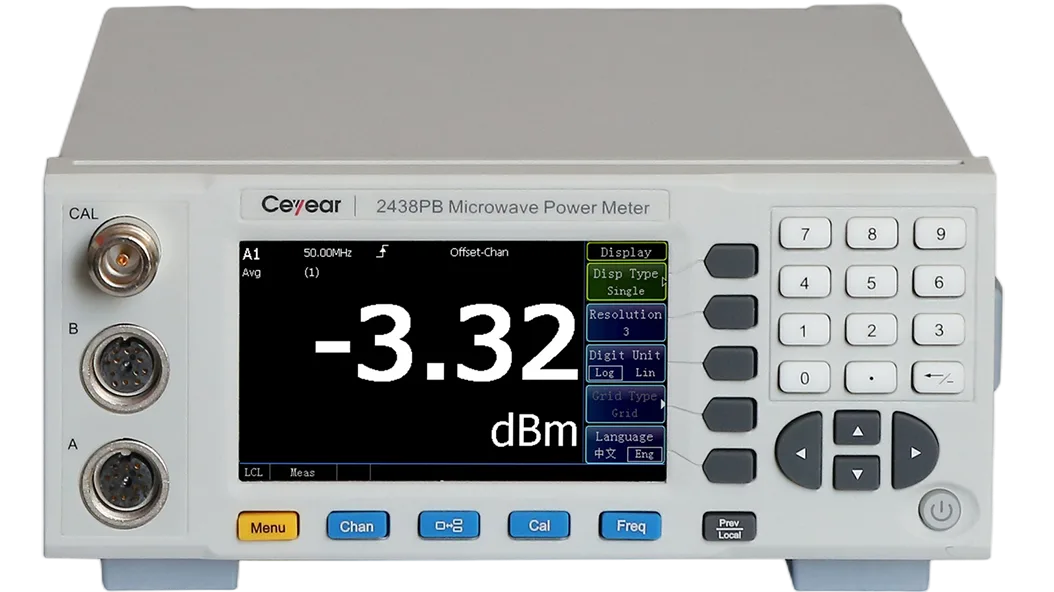
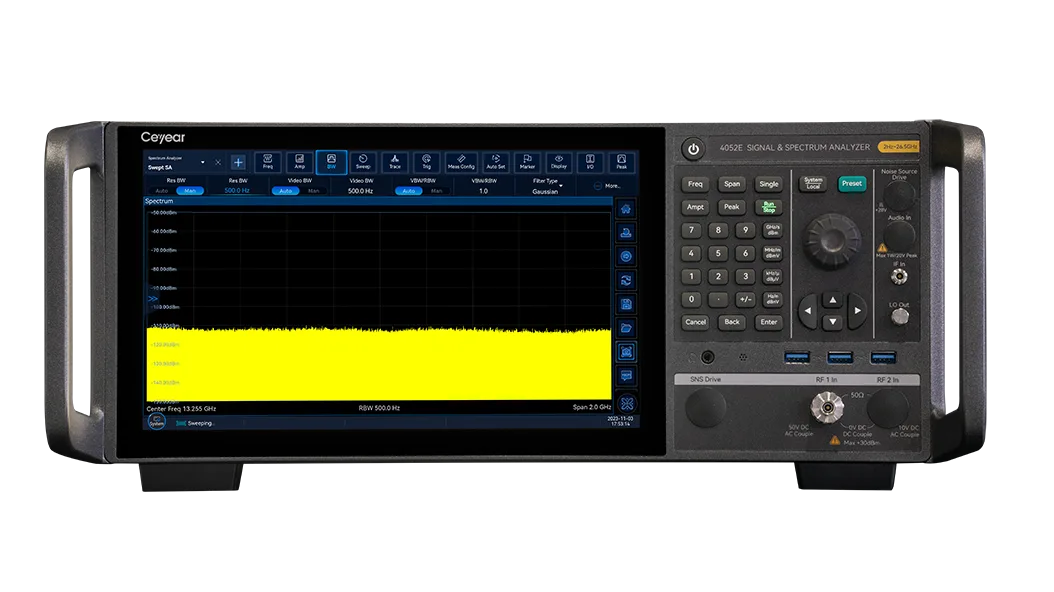
Signal and spectrum analyzers complement the VNA by showing harmonics, spurious outputs, intermodulation and phase noise of oscillators and synthesizers. Signal generators provide clean stimulus and LO signals, and power meters give an absolute reference for calibrating source power and verifying amplifier output. Good-quality adapters, attenuators, loads and DC blocks in the correct connector family keep the whole setup consistent from 50 MHz to 110 GHz and beyond.